
What is Makhana in Ayurveda?
In Ayurveda, makhana is known as a highly nutritious and medicinal food derived from the seeds of the lotus plant (Euryale ferox). It has been used for centuries in Indian traditional medicine for its rejuvenating and strengthening properties.
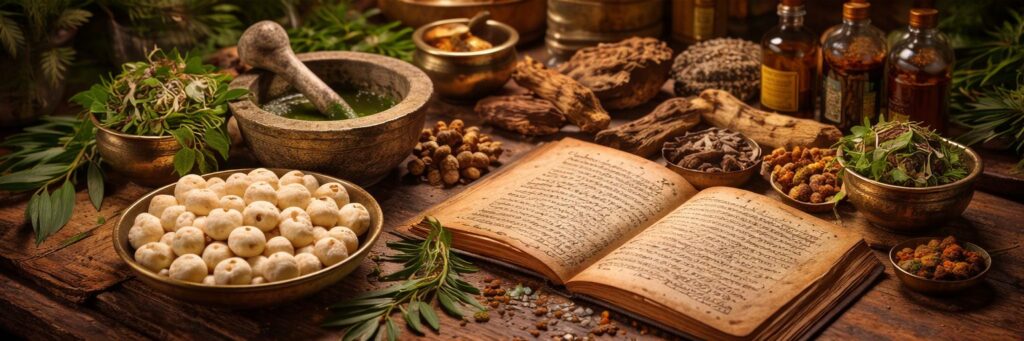
Ayurvedic texts describe makhana as a balya (strength-giving) and brimhana (body-nourishing) food. It is especially recommended for people who need energy, improved digestion, and enhanced reproductive health.
Because makhana is light on the stomach yet rich in nutrients, it is commonly used in Ayurvedic diets for all age groups, from children to elderly people.
Quick Answer:
Makhana in Ayurveda is considered a sattvic food that strengthens digestion, improves immunity, supports reproductive health, and balances Vata and Pitta dosha. It is traditionally used for energy, fertility, and overall vitality.
Want to explore more about makhana?
- What is Makhana? – Complete guide to lotus seeds and their origin
- Makhana Health Benefits – Weight loss, heart health and immunity
- Makhana Nutrition Facts – Complete nutritional breakdown per 100g
- Makhana for Diabetes – Safe usage and portion control
- Makhana Recipes – Healthy and tasty makhana recipes
Ayurvedic Properties of Makhana
According to Ayurveda, makhana has the following key properties:
- Rasa (Taste): Madhura (sweet)
- Guna (Quality): Laghu (light), Snigdha (slightly oily)
- Virya (Potency): Sheeta (cooling)
- Vipaka (Post-digestive effect): Madhura
These properties make makhana ideal for cooling the body, improving digestion, and calming the nervous system.
Makhana for Vata, Pitta and Kapha

Makhana for Vata Dosha
Makhana helps balance Vata due to its nourishing and grounding nature. It reduces dryness, improves energy, and supports joint health.
Makhana for Pitta Dosha
Because makhana is cooling, it is excellent for Pitta imbalance. It reduces heat, acidity, inflammation, and stress-related symptoms.
Makhana for Kapha Dosha
Makhana is light and low in fat, making it suitable for Kapha when consumed in moderation. It does not cause heaviness or sluggishness like fried snacks.
Is Makhana a Sattvic Food?

Yes, makhana is considered a pure sattvic food in Ayurveda.
Sattvic foods are believed to:
- Improve mental clarity
- Increase spiritual awareness
- Promote calmness and focus
- Support meditation and yoga practice
That is why makhana is commonly eaten during fasting, religious rituals, and spiritual practices in India.
Medicinal Uses of Makhana in Ayurveda

Ayurveda uses makhana for multiple therapeutic purposes:
1. Improves Fertility and Reproductive Health
Makhana strengthens the reproductive system in both men and women. It is often recommended in Ayurvedic treatments for low stamina and fertility issues.
2. Supports Digestive Health
Makhana is easy to digest and helps improve gut health, especially for people with weak digestion or acidity.
3. Enhances Immunity
Its antioxidant and mineral content supports immune function and helps the body fight infections.
4. Strengthens Bones and Muscles
Makhana contains calcium, magnesium, and phosphorus, which help improve bone density and muscle strength.
5. Calms the Nervous System
Because of its cooling and sattvic nature, makhana helps reduce anxiety, stress, and mental fatigue.
How to Eat Makhana as per Ayurveda
Ayurveda recommends eating makhana in simple and natural forms:
- Dry roasted in ghee
- Lightly seasoned with turmeric and black pepper
- Added to warm milk at night
- Used in kheer or porridge
Avoid deep frying or eating flavored commercial versions if you want maximum Ayurvedic benefits.
Conclusion
Makhana in Ayurveda is not just a snack but a powerful medicinal food. Its sattvic nature, cooling properties, and nutritional profile make it ideal for improving digestion, immunity, fertility, and mental well-being. When eaten regularly in the right way, makhana becomes a natural tool for long-term health and balance.
Q1. Is makhana mentioned in Ayurveda?
Yes, makhana is widely used in Ayurveda as a strengthening and nourishing food for digestion, immunity, and reproductive health.
Q2. Is makhana good for Vata dosha?
Yes, makhana helps balance Vata by providing energy, nourishment, and grounding effects.
Q3. Is makhana cooling or heating?
Makhana is considered a cooling (Sheeta) food, making it ideal for reducing body heat and inflammation.
Q4. Can makhana be eaten daily as per Ayurveda?
Yes, makhana can be eaten daily in moderate amounts, especially when roasted or cooked in ghee.
Q5. Is makhana good for meditation and yoga?
Yes, makhana is sattvic and supports mental clarity, calmness, and spiritual practices.
