
Is Makhana Good for Jaundice?
Jaundice is a condition linked to liver stress, where digestion becomes weak and the body struggles to process heavy foods. During recovery, doctors often recommend simple, low-fat, and easily digestible foods. Makhana, also known as fox nuts or lotus seeds, fits well into this dietary requirement when consumed properly.
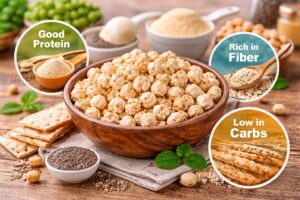

Makhana is not a medicine for jaundice, but it can be a supportive food that helps maintain energy levels and prevents digestive discomfort during recovery.
Quick Answer:
Yes, makhana (fox nuts) can be good during jaundice when eaten in moderation. It is light on digestion, low in fat, easy to absorb, and provides gentle nutrition without stressing the liver.
Explore more about makhana:
- Makhana for Digestion
- Makhana for Kidney Health
- Is Makhana Good for Diabetes
- Makhana Nutrition Value per 100g
- Can We Eat Makhana Daily?
Why Makhana Is Considered Safe During Jaundice
1️⃣ Light on Digestion
Makhana or lotus seeds is naturally light and does not burden the liver or digestive system. Unlike fried snacks or heavy grains, it digests easily and does not increase bile load.
2️⃣ Low Fat & Low Oil
One of the biggest dietary restrictions during jaundice is fat intake. Plain roasted makhana contains very little fat, making it a safer snack option.
3️⃣ Gentle Energy Source
During jaundice, appetite often reduces. Makhana provides carbohydrates and plant protein that help maintain energy without irritating the stomach.
4️⃣ Supports Gut Health
Good digestion indirectly supports liver recovery. Makhana contains fiber that helps maintain smooth bowel movement, preventing constipation during illness.
Is Makhana Bad for Jaundice?
No, makhana is not bad for jaundice when eaten correctly. Problems arise only when:
- It is fried in excess oil or ghee
- Strong spices are added
- Large quantities are consumed
In such cases, digestion may worsen. Plain or lightly roasted makhana is always the safest choice.
How to Eat Makhana During Jaundice
✔ Dry roast on low flame
✔ Add a pinch of rock salt (optional)
✔ Eat in small portions (1 small bowl)
✔ Best eaten as a mid-meal snack
❌ Avoid butter, ghee, masala, or spicy seasoning
❌ Avoid eating at night in large quantity
Can Jaundice Patients Eat Makhana Daily?
Yes, makhana can be eaten daily during jaundice in moderation, preferably once a day. It should be part of a simple diet that includes fruits, light vegetables, and fluids.
Always consult a doctor for personalized dietary advice, especially in severe cases.
Ayurvedic View on Makhana and Jaundice
In Ayurveda, makhana is considered:
- Cooling in nature
- Balancing for digestion
- Supportive for weakness and fatigue
Because jaundice often increases heat and weakness in the body, cooling and light foods like makhana are preferred.
Who Should Be Careful?
- People with very poor appetite should start with small quantities
- Those experiencing severe nausea or vomiting should avoid dry foods initially
Q1. Is makhana good for jaundice recovery?
Ans: Yes, makhana supports recovery by providing light nutrition without stressing the liver.
Q3. Can makhana increase bilirubin levels?
Ans: No, makhana does not increase bilirubin when eaten plain and in moderation.
Q4. Can children eat makhana during jaundice?
Ans: Yes, children can eat small amounts of plain roasted makhana during recovery.
Q5. Is roasted makhana better than raw during jaundice?
Ans: Yes, lightly roasted makhana is easier to digest than raw makhana.
