
Is Makhana Good for Immunity? Vitamins, Antioxidants & Health Benefits
Yes, makhana is good for immunity. It is rich in antioxidants, essential minerals, and plant compounds that support immune function, reduce inflammation, and protect the body from infections. When consumed regularly in a roasted and balanced form, makhana helps strengthen natural immunity in a gentle and sustainable way.
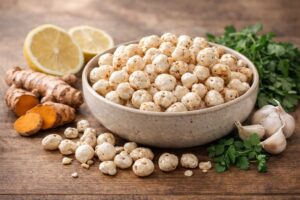
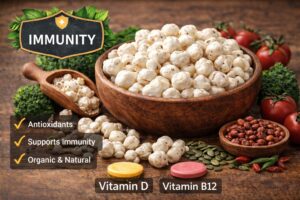
Makhana, also known as fox nuts or lotus seeds, has been part of traditional Indian diets for centuries. One of the key reasons makhana is valued is its ability to support the immune system without stressing digestion.
Makhana contains antioxidants, magnesium, potassium, and amino acids that help protect immune cells from oxidative stress. A strong immune system depends on reduced inflammation, healthy gut function, and balanced nutrition — all areas where makhana contributes positively.
Is Makhana Good for Immunity? Unlike heavily processed snacks, makhana is light, alkaline in nature, and easy on the stomach, making it suitable for daily immunity support.
Quick Answer:
Makhana is good for immunity because it contains antioxidants and essential minerals that help reduce inflammation, protect immune cells, and support overall immune health.
Want to learn more about makhana and its health benefits? Explore our detailed guides below:
- What Is Makhana? – Complete guide to makhana, lotus seeds, and fox nuts
- Makhana Nutrition Value per 100g – Calories, protein, minerals & macros
- Is Roasted Makhana Healthy? – Benefits, best way to eat & daily limits
- Makhana for Weight Loss – How makhana supports fat loss naturally
- Makhana Recipes & Uses – Healthy snack and meal ideas
Is Makhana Rich in Antioxidants?
Yes, makhana is rich in antioxidants, especially flavonoids and polyphenols. These antioxidants help neutralize free radicals in the body, which otherwise weaken immunity and accelerate aging.
Regular intake of antioxidant-rich foods like makhana can:
- Improve immune cell response
- Reduce chronic inflammation
- Support faster recovery from infections
- Protect against lifestyle-related diseases
This antioxidant activity is one of the main reasons makhana is recommended for immunity across all age groups.
Is Makhana Rich in Vitamin D?
Makhana does not naturally contain high amounts of vitamin D, as vitamin D is primarily obtained from sunlight and animal-based foods. However, makhana supports vitamin D function indirectly by providing minerals like magnesium, which help the body activate and utilize vitamin D efficiently.
So while makhana is not a direct source of vitamin D, it complements a vitamin D–rich diet and supports overall immune health.
Is Makhana Rich in Vitamin B12?
Vitamin B12 is mainly found in animal products, and makhana is not a direct source of vitamin B12. However, makhana is still highly valuable for people following vegetarian diets because it provides plant-based protein, antioxidants, and minerals that support energy levels and immune balance.
For vegetarians, makhana works best when combined with other B12 sources or supplements, while still contributing positively to immunity.
Is Makhana Organic and Naturally Grown?
Yes, traditionally grown makhana is largely organic and naturally cultivated, especially in regions like Bihar, India. Makhana grows in freshwater ponds and wetlands without the need for heavy chemical fertilizers or pesticides.
This natural cultivation makes makhana:
- Cleaner and purer
- Free from harmful residues
- Safer for long-term consumption
Organic and naturally grown foods play an important role in immunity because they reduce the toxic load on the body. So, for answer Is Makhana Good for Immunity, Yes, makhana is good for immunity.
Is Roasted Makhana Healthy for Immunity?
Yes, roasted makhana is healthy and is the best form for daily consumption. Dry roasting improves digestibility, enhances taste, and preserves nutrients without adding unhealthy fats.
For immunity:
- Prefer dry-roasted or lightly ghee-roasted makhana
- Avoid deep frying
- Avoid excessive salt or artificial flavors
Roasted makhana makes an excellent immunity-friendly snack that can replace fried or sugary options.
Who Should Include Makhana for Immunity?
Makhana is suitable for:
- Children (supports growth and immunity)
- Adults with frequent infections
- Elderly people with weak digestion
- Vegetarians seeking immune-supporting foods
- People recovering from illness
Because makhana is light and non-irritating, it strengthens immunity without burdening the digestive system.
Conclusion
So, Is Makhana Good for Immunity? Yes, Makhana is a simple yet powerful food for immune health. While it may not be rich in vitamin D or B12, its antioxidant content, natural purity, and digestive friendliness make it an excellent immunity-supporting snack. Including roasted makhana in your daily diet is an easy and natural way to strengthen immunity without relying on processed foods.
Q1. Is makhana good for immunity daily?
Ans: Yes, consuming a moderate portion of makhana daily can help support immunity over time.
Q2. Is roasted makhana healthy for immunity?
Ans: Yes, roasted makhana is healthier than raw because it is easier to digest and retains immune-supporting nutrients.
Q3. Is makhana rich in vitamin D?
Ans: No, makhana is not rich in vitamin D, but it supports vitamin D absorption due to its mineral content.
Q4. Is makhana rich in vitamin B12?
Ans: No, makhana does not naturally contain vitamin B12, but it is still a valuable vegetarian food for immunity.
Q5. Is roasted makhana better than raw for immunity?
Ans: Yes, roasted makhana is easier to digest and more beneficial for immunity.
Q6. Does makhana help prevent infections?
Ans: Its antioxidants and anti-inflammatory properties help strengthen the body’s natural defense system.
Q7. Is makhana safe for children and elderly people?
Ans: Yes, makhana is safe and highly recommended for both groups.
