
Is Makhana Rich in Minerals? A Detailed Explanation
Makhana, also known as fox nuts or lotus seeds, is widely consumed as a healthy snack in India. Beyond being light and easy to digest, many people search online to understand whether makhana is rich in important minerals like iron, calcium, potassium, zinc, and antioxidants. This article explains the true mineral profile of makhana in a simple and practical way.
Quick Answer:
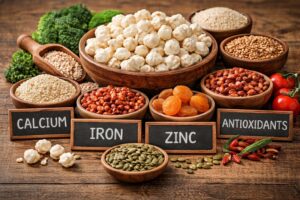
Makhana is rich in essential minerals such as calcium, iron, zinc, and antioxidants. It contains potassium in moderate amounts and is generally considered low in potassium when eaten in controlled portions.
Want to learn more about Makhana and its benefits? Explore our detailed Makhana health guides below:
- Makhana Nutrition Value per 100g
- Makhana Health & Nutrition
- Is Makhana Good for Diabetes?
- Best Time to Eat Makhana
Is Makhana Rich in Iron?
Yes, makhana contains iron in moderate amounts. Iron plays a vital role in carrying oxygen in the blood and maintaining overall energy levels. Including makhana in a balanced diet can help support daily iron intake, especially for people who prefer plant-based foods.
While makhana should not be considered a sole source of iron, it contributes meaningfully when combined with other iron-rich foods such as green vegetables and lentils.
Is Makhana Rich in Calcium?
Makhana is a good plant-based source of calcium. Calcium is essential for bone strength, teeth health, and muscle function. Regular consumption of makhana can support bone health, making it beneficial for children, elderly individuals, and women.
This is one of the reasons makhana is often recommended as a healthier alternative to fried snacks, especially for long-term wellness.
Is Makhana Rich in Potassium?
Makhana contains potassium in moderate quantities. Potassium is important for heart function, nerve signals, and maintaining fluid balance in the body. The potassium level in makhana is not excessively high, which makes it suitable for most people when eaten in moderation.
Is Makhana Low in Potassium?
Yes, makhana is generally considered low to moderate in potassium compared to many nuts and seeds. This makes it a safer snack option for individuals who need to monitor potassium intake, such as certain kidney patients, provided it is consumed in controlled portions.
As with any food, portion size plays an important role in determining overall potassium intake.
Is Makhana Rich in Zinc?
Makhana contains zinc, a mineral essential for immune function, wound healing, and overall metabolic health. Zinc also plays a role in maintaining skin health and supporting the body’s natural defense system.
Although makhana is not a high-dose zinc source, it contributes positively as part of a varied diet.
Is Makhana Rich in Antioxidants?
Yes, makhana or lotus seeds is rich in natural antioxidants. Antioxidants help protect the body from oxidative stress caused by free radicals. This protection supports heart health, reduces inflammation, and contributes to overall cellular health.
The presence of antioxidants is one of the key reasons makhana is considered a traditional superfood in Indian diets.
Mineral Balance Makes Makhana a Smart Snack
Is makhana rich in minerals? Yes, the unique combination of calcium, iron, zinc, antioxidants, and controlled potassium levels makes makhana a balanced mineral-rich snack. Unlike many processed foods, makhana delivers nutrition without excessive salt, fat, or artificial additives.
Final Thoughts
So, is makhana rich in minerals?
Yes — makhana provides essential minerals like iron, calcium, zinc, and antioxidants while remaining moderate to low in potassium. This balanced mineral profile makes makhana suitable for daily consumption when eaten mindfully.
Q1. Is makhana rich in minerals?
Ans: Yes, makhana contains calcium, iron, potassium, zinc, and magnesium.
Q2. Is makhana rich in iron and calcium?
Ans: Yes, makhana contains both iron and calcium in useful amounts.
Q3. Is makhana safe for people concerned about potassium?
Ans: Yes, makhana is generally low to moderate in potassium when eaten in moderation.
Q4. Does makhana contain antioxidants?
Ans: Yes, makhana is rich in natural antioxidants.
