
Cultural Significance of Makhana in India
Makhana, also known as fox nuts or lotus seeds, is not just a healthy snack in India — it is a food deeply rooted in Indian culture, spirituality, and tradition. For centuries, makhana has been valued not only for its nutritional benefits but also for its symbolic importance in religious rituals, fasting practices, Ayurveda, and regional customs.
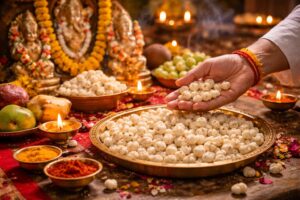
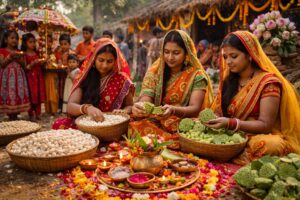
From ancient scriptures to modern kitchens, makhana continues to play a meaningful role in Indian society, especially in regions like Bihar and Mithila, where it is considered a cultural heritage crop.
Quick Answer:
The cultural significance of makhana in India lies in its use in religious rituals, fasting traditions, festivals, Ayurveda, and regional cuisines. It is considered a pure, sattvic food and is especially important in Mithila culture, Hindu ceremonies, and temple offerings.
Want to learn more about makhana and its health and cultural importance? Check out these detailed guides:
- What is Makhana? – Complete guide to lotus seeds and their origin
- Histroy of Makhana – Origin and evolution in Indian civilization
- Makhana in Ayurveda – Benefits according to ancient healing science
- Makhana Health Benefits – Weight loss, heart health and immunity
- Makhana Nutrition Facts – Complete nutritional breakdown per 100g
- Makhana Recipes – Healthy and tasty makhana recipes
Makhana in Ancient Indian Traditions
In ancient India, food was never seen as just nourishment. It was considered a medium of purity, energy, and spiritual balance. Makhana was traditionally classified as a sattvic food, meaning it promotes calmness, clarity, and positive energy.
Cultural Significance of Makhana in ancient communities believed that foods grown naturally in water bodies, like lotus seeds, carried divine and healing properties. Because makhana grows in freshwater ponds and blooms from the sacred lotus plant, it was always associated with purity and prosperity.
Religious Importance of Makhana
Makhana or lotus seeds holds special importance in Hindu religious practices. It is widely used in:
- Temple offerings (prasadam)
- Puja rituals
- Yagya and havan ceremonies
- Offerings to deities like Lakshmi, Vishnu, Durga, and Shiva
Since makhana is naturally vegetarian, non-grain, and free from impurities, it is considered an ideal offering to gods. Many temples use roasted makhana as part of sacred food distributed to devotees marks main cultural significance of Makhana.
Makhana in Fasting & Vrat
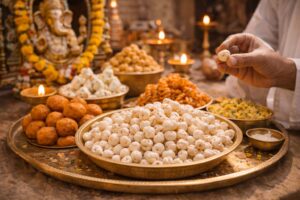

One of the strongest cultural connections of makhana in India is with fasting (vrat).
During festivals like:
- Navratri
- Ekadashi
- Maha Shivratri
- Karwa Chauth
- Janmashtami
People avoid grains and consume foods that are light, pure, and easy to digest. Makhana fits perfectly into fasting diets because:
- It is non-cereal
- Easy on digestion
- High in energy
- Keeps the body full
That is why makhana is a staple ingredient in vrat recipes like makhana kheer, roasted makhana, and makhana sabzi.
Makhana in Indian Festivals
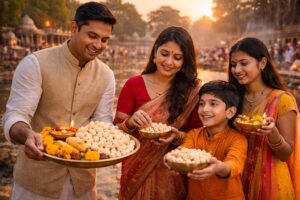

Makhana is commonly used in festive Indian dishes, especially during religious celebrations and family gatherings. In many households, makhana sweets are prepared for:
- Diwali
- Holi
- Raksha Bandhan
- Durga Puja
- Chhath Puja
Traditional Indian sweets like makhana kheer, makhana halwa, and makhana laddoos are prepared as offerings and festive desserts which represents a great cultural significance of makhana.
Makhana in Mithila Culture
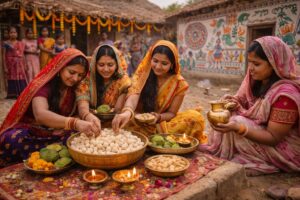
The cultural heartland of makhana is Mithila region of Bihar, which produces more than 80% of India’s makhana.
In Mithila culture:
- Makhana farming is a family tradition
- It is part of wedding rituals
- Used in childbirth ceremonies
- Offered during ancestor worship
For centuries, makhana has been a symbol of prosperity, purity, and heritage in Mithila households.
Makhana in Ayurveda & Sattvic Diet
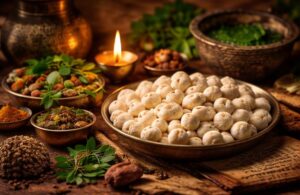

In Ayurveda, makhana is known as a balya food, meaning it strengthens the body and mind.
Ayurvedic texts describe makhana as:
- Cooling in nature
- Strengthening for kidneys
- Helpful for digestion
- Beneficial for mental calmness
That is why makhana is recommended in:
- Pregnancy diets
- Post-illness recovery
- Yogic diets
- Meditation lifestyles
Makhana in Regional Indian Cuisines
Different regions use makhana in unique ways:
- North India: Makhana kheer, makhana curry
- South India: Makhana poriyal, roasted snacks
- East India: Temple sweets and prasadam
- West India: Makhana chaat, fasting recipes
This diversity shows how deeply makhana is woven into Indian food culture.
Why Makhana Is Considered a Sacred Food
Makhana is considered sacred because it is:
- Grown in natural water
- Linked to lotus (symbol of purity)
- Used in spiritual practices
- Free from harmful processing
- Suitable for fasting and rituals
Very few foods in India carry both nutritional and spiritual value like makhana.
Modern Cultural Revival of Makhana



Today, makhana is experiencing a cultural revival. From ancient rituals to modern gyms, makhana has transformed into a symbol of healthy Indian lifestyle.
Urban India is now embracing makhana as:
- A premium snack
- A wellness food
- A clean eating choice
- A global superfood
Yet, its cultural roots remain unchanged.
Conclusion
The cultural significance of makhana in India goes far beyond nutrition. It represents purity, tradition, wellness, spirituality, and heritage. From temple rituals to festive kitchens, from Ayurveda to modern health trends, makhana continues to bridge India’s ancient wisdom with modern lifestyles.
Makhana is not just food — it is India’s cultural superfood.
Q1. Why is makhana considered sacred in India?
Makhana is considered sacred because it grows from the lotus plant, is naturally pure, and is widely used in religious rituals and temple offerings.
Q2. Is makhana used in religious rituals?
Yes, makhana is commonly used in Hindu pujas, havans, temple prasadam, and offerings to deities.
Q3. Why is makhana eaten during fasting?
Makhana is light, non-grain, easy to digest, and keeps energy levels high, making it ideal for vrat and fasting diets.
Q4. Which festivals use makhana?
Makhana is used during Navratri, Diwali, Chhath Puja, Karwa Chauth, Janmashtami, and many other festivals.
Q5. Is makhana mentioned in Ayurveda?
Yes, Ayurveda considers makhana a strengthening, cooling, and balancing food beneficial for overall health.
Q6. Which region is famous for makhana?
Mithila region of Bihar is the largest producer and cultural center of makhana in India.
Q7. Is makhana part of temple food?
Yes, many Indian temples include makhana in sacred offerings and prasadam
