
Learn About Makhana (Lotus Seeds / Fox Nuts)
Makhana, also known as lotus seeds or fox nuts, is one of India’s most powerful and ancient superfoods. From its rich cultural history in Bihar to its modern role in healthy diets, makhana has evolved into a globally recognized nutrition snack. This page is your complete knowledge hub to learn everything about makhana.
Quick Answer:
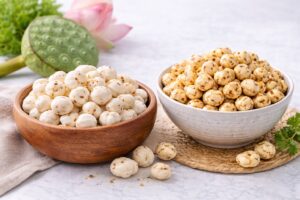
Makhana (fox nuts) are edible seeds of the lotus plant (Euryale ferox). They are low in calories, rich in protein and minerals, and widely consumed in India as a healthy snack and traditional food.
Explore our Complete Makhana Guides:
- What is Makhana?
- Makhana Health Benefits
- Makhana Nutrition Facts
- History of Makhana
- Makhana in Ayurveda
- How Makhana is Made
- Makhana vs Other Snacks
- Makhana Recipes
- Makhana for Diabetes
- Makhana for Weight Loss
Why You Should Learn About Makhana
If you truly want to improve your diet and lifestyle, it is important to learn about makhana and understand why it is considered one of the healthiest Indian superfoods. Unlike processed snacks, makhana is natural, light, and packed with essential nutrients that support long-term wellness.
When people start to learn about makhana, they often discover that it is not just a snack, but a functional food that supports heart health, digestion, immunity, and weight management. This makes makhana suitable for people of all age groups, including children, adults, elderly, and even pregnant women.
Another reason to learn about makhana is its versatility. It can be eaten roasted, added to curries, used in desserts, or even blended into smoothies. Very few snacks offer such flexibility while still remaining healthy.
What is Makhana?
Makhana is the edible seed of the lotus flower grown mainly in freshwater ponds of Bihar, India. These seeds are harvested, dried, roasted, and popped to form the crunchy white snack we eat today.
History of Makhana
Makhana has been cultivated for thousands of years in the Mithila region of Bihar. It was used in royal kitchens, religious rituals, and Ayurvedic medicine.
Makhana in Ayurveda
In Ayurveda, makhana is known as a cooling food that improves digestion, strengthens immunity, and supports reproductive health.
Nutrition Value of Makhana
Makhana is rich in protein, magnesium, potassium, phosphorus, and antioxidants. It is gluten-free, low fat, and low glycemic.
Health Benefits of Makhana
Makhana supports weight loss, heart health, diabetes control, digestion, immunity, and bone strength.
How Makhana is Made
Makhana is harvested from lotus ponds, sun-dried, roasted, popped, graded, and packed.
Makhana vs Other Snacks
Compared to popcorn, chips, namkeen, and roasted chana, makhana is lower in calories, fat, and sodium.
Makhana for Health Coditions
- Makhana for Diabetes
- Makhana for Weight Loss
- Makhana for Pregnancy
- Makhana for Heart Health
- Makhana for Thyroid
- Makhana for Cholesterol
- Makhana for Kids & Elderly
Makhana Recipes
Makhana can be used in sweet, savory, roasted, and dessert recipes.
Is Makhana Better Than Modern Snacks
In today’s world, most snacks are deep-fried, high in sugar, or loaded with preservatives. When you learn about makhana, you realize that it is naturally low in fat, gluten-free, and does not require heavy processing.
Compared to chips, biscuits, namkeen, or popcorn, makhana offers:
- Lower calories
- Higher protein
- No trans fat
- Better digestion
- Longer feeling of fullness
This is why nutritionists and dieticians often recommend makhana as a daily snack option.
If you are serious about building a healthy lifestyle, the first step is to learn about makhana from a trusted source. Understanding its history, nutrition, Ayurveda relevance, and health benefits allows you to make smarter food choices and move away from unhealthy habits.
This page is designed to help you learn about makhana in a simple and structured way, while guiding you to deeper expert resources across Makhana Hub.
Conclusion
Makhana is more than just a snack – it is a complete superfood rooted in Indian culture, Ayurveda, and modern nutrition. Whether you are looking for health benefits, weight loss, or delicious recipes, makhana offers a perfect balance of taste and wellness.
