
What is Makhana? – Complete Guide to Lotus Seeds (Fox Nuts)
Makhana, commonly known as fox nuts or lotus seeds, is a highly nutritious food obtained from the seeds of the Euryale ferox plant, which grows in ponds, wetlands, and freshwater bodies. After harvesting, the seeds are dried, roasted, and popped to create the light, crunchy snack known as phool makhana.
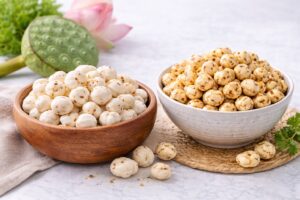
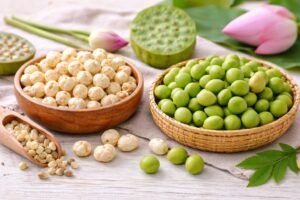
For centuries, makhana has been used in Indian cooking, traditional medicine, fasting foods, and healthy diets due to its impressive nutritional value and health benefits. Today, it is considered a superfood and is gaining popularity worldwide as a healthy alternative to fried snacks.
Quick Answer:
Makhana, also known as fox nuts or lotus seeds, is a popped seed obtained from the Euryale ferox plant that grows in water bodies. It is not a dry fruit but a nutritious seed that is low in calories, rich in protein, and packed with antioxidants, making it a healthy snack choice.
You may also like:
- Makhana Nutrition & Calories
- Is Makhana Healthy? Benefits, Daily Intake & Safety
- Makhana for Weight Loss & Weight Gain
- Makhana Health Benefits
Is Makhana a Dry Fruit?
No, makhana is not technically a dry fruit. It is a seed derived from an aquatic plant. However, because its nutritional value is similar to nuts like almonds and cashews, people often categorize it with dry fruits in daily usage.
The same applies to phool makhana — it is also a seed, not a dry fruit, even though it is commonly sold alongside dry fruits in markets.
Is Makhana a Fruit or Vegetable?
Makhana or lotus seed is neither a fruit nor a vegetable. It is the seed of a plant belonging to the water lily family. Since it comes from a plant seed, it is scientifically classified as a seed-based food rather than a fruit or vegetable.
Is Makhana a Grain?
No, makhana is not a grain. Grains come from cereal crops like wheat, rice, and corn, whereas makhana comes from the seeds of an aquatic plant. However, due to its carbohydrate content, some people mistakenly assume it is similar to grains.
Is Makhana a Lotus Seed?
Yes, makhana is commonly referred to as lotus seeds or fox nuts. While it belongs to a plant species closely related to lotus plants, the seeds are processed and popped to create edible makhana.
In everyday language, makhana and lotus seeds are considered the same food product.
Is Makhana a Nut or Seed?
Makhana is a seed, not a nut. Nuts typically grow on trees, whereas makhana comes from the seed pods of aquatic plants. Despite this, its crunchy texture and nutritional benefits make it comparable to nuts in the diet.
Is Makhana a Vegetable?
No, makhana is not a vegetable. Vegetables come from edible plant parts like roots, stems, or leaves, whereas makhana comes from seeds. Therefore, it is classified as a seed-based food.
Nutritional Value of Makhana
Makhana is known for being nutrient-dense and low in calories. It contains:
- Plant-based protein
- Dietary fiber
- Complex carbohydrates
- Calcium and magnesium
- Potassium
- Iron
- Antioxidants
It is also naturally gluten-free, low in fat, and cholesterol-free, making it suitable for various diets and health conditions.
Lotus Seeds Benefits
Lotus seeds, or makhana, offer several health benefits:
Supports Heart Health
Makhana contains magnesium and antioxidants that help maintain healthy blood pressure and heart function.
Helps Weight Management
Being low in calories and high in fiber, makhana helps control hunger and supports weight loss diets.
Improves Digestion
The fiber content supports gut health and helps prevent constipation.
Regulates Blood Sugar
Makhana has a low glycemic index, making it suitable for people managing blood sugar levels.
Provides Energy
Complex carbohydrates provide sustained energy without sudden spikes.
Fox Nuts Benefits
Fox nuts are considered a healthy snack due to their nutritional composition. Benefits include:
- Rich in antioxidants
- Supports muscle health
- Good for bone strength
- Helps maintain healthy cholesterol levels
- Suitable for fasting and diet plans
Phool Makhana Benefits
Phool makhana, the popped version of lotus seeds, offers the same benefits as raw seeds but is easier to digest and consume. It is widely used as:
- Healthy snack
- Fasting food
- Ingredient in curries and desserts
- Diet-friendly alternative to chips
Why is Makhana Becoming Popular?
Makhana is gaining global popularity because it is:
- Low calorie
- High protein
- Gluten-free
- Vegan-friendly
- Nutrient-rich
- Easy to cook
- Suitable for all age groups
It fits well into modern healthy lifestyles, fitness diets, and mindful eating habits.
Conclusion
So, what is Makhana? Makhana is a nutritious seed obtained from aquatic plants and is commonly known as fox nuts or lotus seeds. Although often grouped with dry fruits, it is technically a seed with impressive health benefits. Its rich nutritional profile, versatility, and health advantages make it an excellent addition to daily diets.
Q1. Is makhana a dry fruit or seed?
Ans: Makhana is technically a seed obtained from an aquatic plant, although it is often categorized with dry fruits due to its nutritional value.
Q2. Is phool makhana a dry fruit?
Ans: No, phool makhana is also a popped seed, not a dry fruit.
Q3. Are lotus seeds and makhana the same?
Ans: Yes, makhana is commonly known as lotus seeds or fox nuts.
Q4. Is makhana healthy to eat daily?
Ans: Yes, makhana can be eaten daily in moderate quantities as a healthy snack.
Q5. What are the benefits of makhana?
Ans: Makhana supports heart health, digestion, weight management, and provides essential nutrients like protein, fiber, and minerals.
